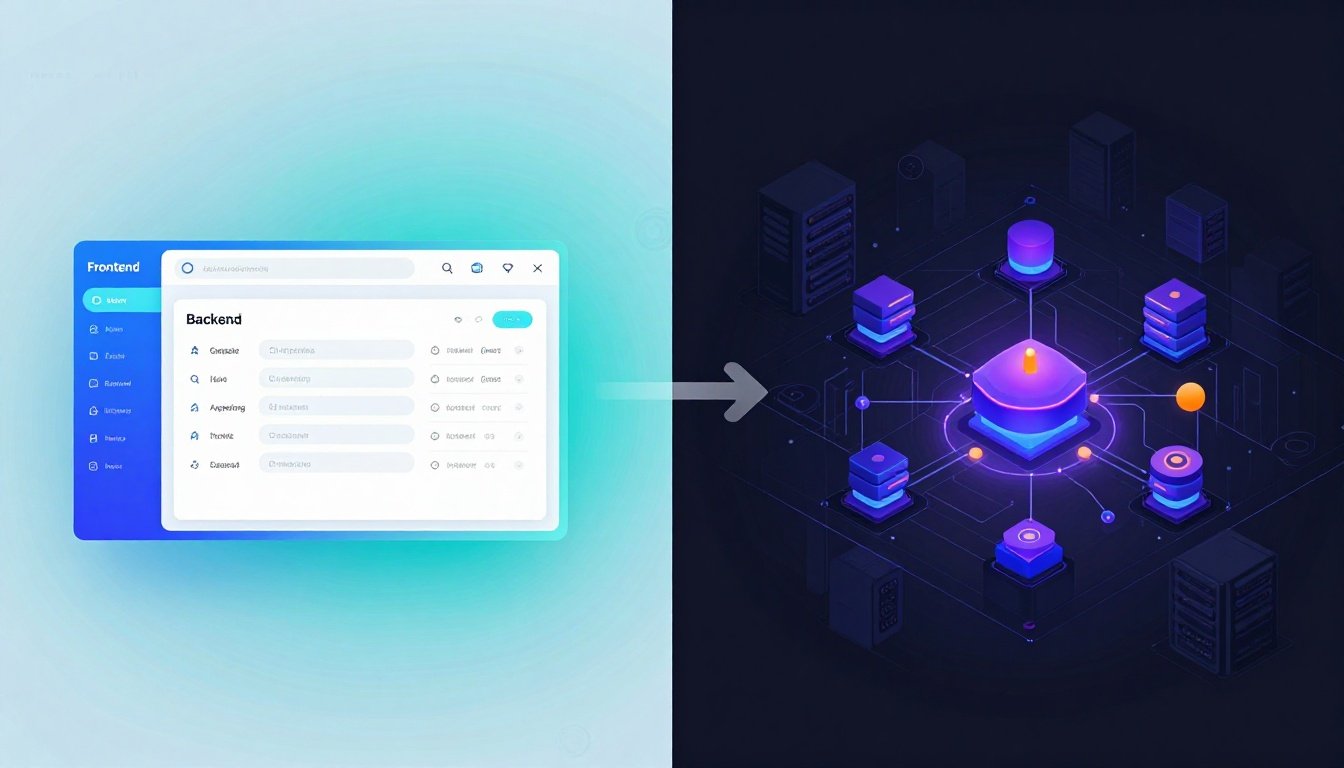
Imagine building an app from the ground up, handling every layer yourself. That's the power of a full-stack developer. In 2026, this role goes far beyond simple data tasks. You create seamless experiences across frontend, backend, and beyond. Demand stays sky-high, with salaries often topping $120,000 for mid-level pros. Tech shifts fast, pulling in AI tools and flexible platforms. Full-stack skills let you adapt and thrive in this world.
Introduction: The Ever-Evolving Role of the Full-Stack Developer
Full-stack developers now juggle complex systems. They blend user interfaces with server logic and data flows. This evolution started with basic web apps but now includes smart features powered by AI. Jobs in this field grow by 25% yearly, per recent reports. Pay reflects the skill mix, often beating single-focus roles.
Tech changes hit hard by 2026. AI weaves into every app, from chatbots to predictive analytics. Platforms become agnostic, meaning you deploy anywhere without lock-in. This setup demands broad knowledge. You stay relevant by mastering these trends early.
Section 1: Mastering the 2026 Frontend Stack
Frontend work shapes how users interact with your app. In 2026, it focuses on speed and smarts. You build interfaces that feel alive and load in seconds.
Core JavaScript Mastery and Modern Frameworks
Start with solid JavaScript basics. ES2025 brings new ways to handle code, like better modules and error fixes. Async patterns, such as Promises and async/await, keep apps responsive. Practice these to avoid blocks in user flows.
Frameworks lead the pack in 2026. React with Next.js handles most projects, offering server-side rendering out of the box. Vue paired with Nuxt shines for quick setups. New players like SvelteKit gain ground with less boilerplate. Hybrid models mix client and server rendering for top performance. Pick one and build real projects to get comfy.
State Management and Component Architecture
State management keeps data in sync across your app. Tools like Zustand offer simple stores without extra fuss. Jotai works well for atomic updates in React apps. Native options, such as React Server Components, cut down on client-side work. Always track Core Web Vitals to ensure smooth loads and interactions.
Components form the building blocks. Use Storybook to test and share them easily. Focus on WCAG 2.2 for access, so everyone can use your site. Build libraries that scale, reusing code across projects. This approach saves time and boosts quality.
Next-Generation Styling and UI/UX Principles
Styling evolves with tools that speed up design. Tailwind CSS uses utility classes for fast, custom looks. Advanced CSS features, like container queries, adapt layouts perfectly. Skip heavy CSS-in-JS unless needed for dynamic themes.
UI/UX basics matter more than ever. Design mobile-first since most traffic comes from phones. Add smooth animations but keep them light. Test with real users to spot pain points. Good design turns visitors into loyal ones.
Section 2: Building Robust Backend Architectures for 2026
Backend powers the hidden side of apps. It handles logic, data, and security. In 2026, scalability rules everything you build.
Choosing the Dominant Backend Languages and Runtimes
Pick your main language wisely. Node.js with TypeScript fits web apps needing real-time features. Python via FastAPI excels at quick APIs with data crunching. Go offers speed for busy services, while Rust tackles high-load tasks without crashes.
Match the choice to your project. Need fast prototyping? Go Python. Building microservices? Try Go or Rust. Start small, learn one deeply, then branch out. This keeps your skills sharp without overload.
Database Paradigms: SQL, NoSQL, and Vector Databases
Know both SQL and NoSQL worlds. PostgreSQL handles structured data with strong queries. MongoDB stores flexible documents for changing needs. Mix them based on your app's demands.
Vector databases rise big in 2026. Tools like Pinecone store embeddings for AI searches. Chroma runs locally for quick tests. Use them to add LLM features, like similar item finds. This integration makes apps smarter and more useful.
Designing Scalable APIs: REST vs. GraphQL vs. tRPC
APIs connect your frontend to backend. REST works for simple gets and posts. GraphQL lets clients grab just what they need, cutting waste. tRPC adds type safety for fewer errors in TypeScript stacks.
Weigh the options carefully. REST suits basic setups. GraphQL fits complex data links with subscriptions for live updates. Secure them all with OAuth 2.1 and solid token checks. Test endpoints often to catch weak spots early.
Section 3: Cloud Infrastructure and DevOps Proficiency
Cloud and DevOps make apps reliable and fast to update. You deploy without downtime. This skill set separates pros from beginners.
Containerization and Orchestration: Docker and Kubernetes Essentials
Docker packages your code and deps into containers. It ensures apps run the same everywhere. Learn to build images and manage them with Docker Compose for local work.
Kubernetes orchestrates these at scale. You don't always manage it hands-on, thanks to cloud services. Grasp pods, services, and deployments to understand big systems. Practice on minikube for free.
Mastering Serverless and Edge Computing
Serverless cuts server worries. AWS Lambda runs code on demand. Google Cloud Functions pairs well with other Google tools. Azure Functions fits Microsoft stacks.
Edge computing pushes code closer to users. Cloudflare Workers handle tasks at the network edge. Vercel Edge Functions speed up Next.js apps. Use IaC like Terraform to script these setups. It repeats easily and avoids errors.
CI/CD Pipelines for Rapid Iteration
CI/CD automates builds and deploys. GitHub Actions sets up pipelines with YAML files. GitLab CI offers similar power for teams.
Include tests in every run: unit, integration, end-to-end. This catches bugs fast. Start with simple pipelines, then add stages for security scans. Quick iterations mean faster launches.
Section 4: The 2026 Differentiator: AI Integration and Security Focus
AI and security set top developers apart. You build apps that think and stay safe. These skills open doors to high-pay roles.
Implementing Generative AI Features
Link to LLM APIs for cool adds. OpenAI's models create text or images on the fly. Anthropic's Claude handles safe, helpful chats. Build smart search that understands queries.
Prompt engineering sharpens outputs. Craft clear inputs to get precise results. Test variations to refine. This turns basic apps into intelligent ones.
Security as a First-Class Citizen
Security starts from day one. OWASP Top 10 lists key risks like injections and breaks. Scan dependencies with tools like Snyk. Manage secrets via HashiCorp Vault to hide keys.
Add auto tests in CI/CD. Run scans before deploys. Train on common attacks to spot them quick.
Building for Performance and Observability
Observability tracks app health. OpenTelemetry traces requests across services. Prometheus collects metrics; Grafana shows them in dashboards.
Tie metrics to business wins, like lower bounce rates from fast loads. Monitor in real time to fix issues before users notice.
Section 5: The Journey: Learning Paths and Portfolio Building
Your path to full-stack mastery takes focus. Mix learning with hands-on work. Build proof of your skills.
Structured Learning Paths vs. Self-Directed Exploration
Bootcamps offer quick, job-focused training. Universities give deep theory but take longer. Self-teaching via online courses fits busy schedules. Experience trumps degrees in 2026 hires, with salaries up 15% for proven builders.
Top resources include freeCodeCamp for basics, Udemy for frameworks, and official docs for cloud tools. Join communities like Reddit's r/learnprogramming. Dedicate time daily to stick with it.
Crafting a Portfolio That Demonstrates Full-Stack Capability
Show end-to-end work in projects. Build a chat app with WebSockets for real-time. Add an AI service that summarizes news via APIs. Deploy all with Terraform for IaC proof.
Keep GitHub repos clean. Add READMEs with setup steps and decisions. Quality beats many half-done ideas. Employers love seeing thought process.
Navigating the 2026 Technical Interview
Interviews test real skills now. Skip heavy algorithms for system design chats. Explain cloud choices and trade-offs for your projects.
Practice by mocking designs for e-commerce sites. Talk through scaling a blog app. Clear answers show you think like a pro.
Conclusion: Future-Proofing Your Full-Stack Career
Master deep tech knowledge, cloud smarts, and AI basics to succeed in 2026. These pillars build versatile developers. Stay adaptable through constant learning.
Keep up with trends via newsletters and conferences. Update skills yearly. Your full-stack path leads to rewarding work. Start today—code your first project now.